
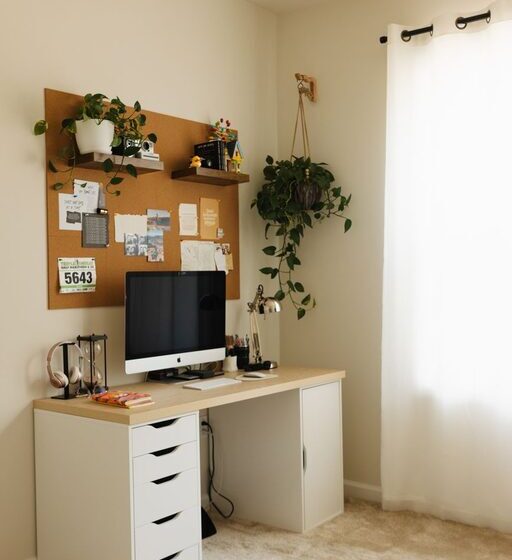

Creating a relaxing home workspace is essential for maintaining productivity and minimizing stress during your workday. Whether you work remotely full-time or occasionally, your environment plays a significant role in your ability to focus and stay motivated. In this post, we’ll explore practical tips to help you design a workspace that promotes calmness and efficiency without complicated setups or costly investments.
Why a Relaxing Workspace Matters
Your workspace is more than just a place to work; it influences your mindset, energy levels, and overall well-being. A cluttered or distracting environment can lead to procrastination, burnout, and decreased productivity. On the other hand, a thoughtfully designed, relaxing space can help you feel grounded, clear-headed, and ready to tackle tasks effectively.
Choose the Right Location
Find Natural Light
If possible, set up your workspace near a window to take advantage of natural light. Sunlight boosts mood and helps regulate your body clock, which can improve concentration and energy throughout the day. If natural light is limited, consider using daylight-mimicking bulbs to brighten your area.
Consider Quiet and Privacy
Choose a spot with minimal distractions and noise. This could be a spare room, a quiet corner, or even a sectioned-off area in a larger room. Using room dividers or soundproofing elements like rugs and curtains can help reduce noise interruptions.
Invest in Comfortable Furniture
Ergonomic Chair and Desk
Comfort is key for staying focused. Invest in an ergonomic chair that supports your posture and a desk at a comfortable height to reduce strain. Adjustable chairs and desks that allow you to switch between sitting and standing can add flexibility and promote better health.
Add Supportive Accessories
Consider accessories such as wrist rests, footrests, or lumbar cushions to enhance comfort further, especially if you spend long hours at your desk.
Keep It Organized and Clutter-Free
Declutter Regularly
An organized space helps reduce stress and distractions. Develop a habit of decluttering your workspace at the end of each day. Only keep items on your desk that are essential for daily tasks.
Use Storage Solutions
Utilize storage bins, shelves, and desk organizers to keep supplies neat and accessible. Label containers if necessary to save time searching for items.
Personalize Your Space Mindfully
Add Calming Decor
Incorporate elements that promote relaxation, such as plants, soft lighting, or artwork that you find inspiring. Greenery can improve air quality and adds a soothing touch to the room.
Limit Overstimulating Items
Avoid overcrowding the workspace with too many decorations or devices. A clean, minimal setup helps maintain focus.
Manage Lighting for Comfort
Use Layered Lighting
Combine overhead lighting with task lights like desk lamps to create a balanced environment. Adjustable lamps allow you to control brightness and reduce eye strain.
Control Glare and Brightness
Position screens and lighting to avoid glare. Using blinds or curtains can help control natural light when it’s too harsh.
Create a Pleasant Sensory Environment
Use Soothing Scents
If you enjoy aromatherapy, consider using essential oils or scented candles with calming scents like lavender or eucalyptus. Be mindful of any sensitivities if others share your space.
Play Background Sounds
Soft background music or ambient noise, such as white noise or nature sounds, can help mask distractions and improve concentration.
Establish a Routine and Boundaries
Designate Work Hours
Having clear start and end times helps your brain associate your workspace with work mode. It also prevents overworking and supports a healthy work-life balance.
Take Breaks in the Space
Use your workspace not just for work-related tasks but also for brief breaks that refresh your mind. Stretching or meditation in the same area can reinforce relaxation.
Keep Technology Simple and Efficient
Choose Essential Devices
Limit the number of devices you use to avoid information overload. Use reliable hardware and software tools that streamline your work.
Maintain Cable Management
Organize cords and chargers to prevent tangling and clutter, which can be distracting.
Final Thoughts
Building a relaxing home workspace is about creating an environment where you feel comfortable, focused, and inspired. Small changes—like adding plants, choosing the right lighting, or decluttering—can make a big difference in your daily productivity and well-being. Take the time to tailor your space to your needs, and you’ll likely notice improvements in both your work quality and overall mood.