
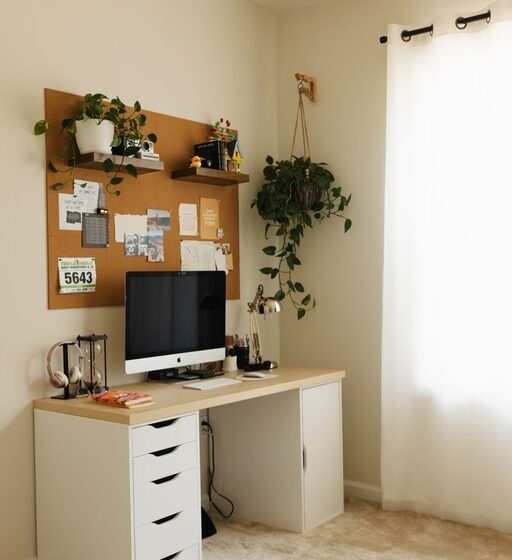

Creating a comfortable and calming home workspace can make a big difference in your daily productivity and overall well-being. When your environment supports focus and reduces stress, it’s easier to stay motivated and get work done efficiently. Whether you work from home full-time or occasionally, these tips will help you design a workspace that is both relaxing and productive.
Choose the Right Location
Selecting an appropriate spot for your workspace is the first step. Ideally, pick a quiet area away from heavy foot traffic and distractions. If possible, choose a space with natural light as it can positively impact your mood and energy levels. Even a corner of a room or a small nook can become a great workspace if set up thoughtfully.
Invest in Comfortable Furniture
Ergonomics matter when creating a relaxing work environment. Choose a chair that supports good posture and a desk at the right height to prevent strain on your neck, back, and wrists. A comfortable chair with adjustable features and good lumbar support can prevent fatigue and discomfort during long work hours.
Tips for furniture:
– Opt for a desk that fits your available space without feeling cramped.
– Consider a standing desk or adjustable desk converter to alternate between sitting and standing.
– Use a footrest if your feet don’t comfortably reach the floor.
Keep Your Space Organized
Clutter can cause stress and make it harder to focus. Maintain an organized workspace by having designated storage for stationery, documents, and other essentials. Use shelves, drawers, or desk organizers to keep everything tidy but accessible.
Organization ideas:
– Use cable management solutions to reduce cord clutter.
– Keep only daily-use items on your desk to minimize distractions.
– Store paperwork digitally when possible to reduce physical clutter.
Add Personal and Soothing Elements
Including a few personal touches can make your workspace more inviting and relaxing. Consider adding plants, artwork, or photos that inspire and calm you. Plants not only improve air quality but also create a sense of calm and connection to nature.
Ways to personalize your space:
– Choose calming colors like soft blues, greens, or neutrals for your workspace décor.
– Use aromatherapy with essential oils or candles for a subtle, relaxing scent.
– Play gentle background music or nature sounds if it helps your concentration.
Optimize Lighting
Good lighting reduces eye strain and boosts alertness. Natural light is best, but if that’s limited, use adjustable LED desk lamps with warm light settings. Position lamps to avoid glare on your computer screen without leaving your workspace dim.
Lighting tips:
– Consider a desk lamp with adjustable brightness.
– Use blinds or curtains to control sunlight intensity.
– Avoid overhead fluorescent lighting which can cause fatigue.
Take Regular Breaks
A relaxing workspace is not just about surroundings but also how you use the space. Include scheduled breaks in your routine to avoid burnout. Standing up, stretching, and stepping away for a few minutes can refresh your mind and body.
Break ideas:
– Try the Pomodoro Technique: work for 25 minutes, then take a 5-minute break.
– Use breaks to do light stretches or breathing exercises.
– Move to a different room or outside briefly when possible.
Minimize Noise and Distractions
A quiet work environment helps maintain focus. If you have noisy surroundings, consider noise-cancelling headphones or white noise machines. Keep your phone on silent or use apps that limit distractions during work sessions.
Noise control tips:
– Use rugs, curtains, or cushions to absorb sound in the room.
– Inform family members or roommates of your work hours.
– Set clear boundaries to avoid interruptions.
Incorporate Technology Wisely
Technology can enhance productivity but also cause distractions if unmanaged. Keep only necessary devices and apps relevant to your work within reach. Regularly update software to avoid technical issues, and use productivity tools to organize tasks and deadlines.
Tech tips:
– Use a second monitor for better multitasking if space allows.
– Keep your desktop clean and free of unnecessary icons.
– Utilize apps that block distracting websites during focus time.
Maintain a Clean and Fresh Workspace
Regular cleaning is essential to create a pleasant atmosphere. Dust surfaces, wipe down your desk, and keep your workspace fresh. A clean area is inviting and can positively impact your mood.
Cleaning routine:
– Dedicate time weekly to tidy and disinfect your workspace.
– Keep a small trash bin nearby to avoid piles of waste.
– Open a window occasionally to air out the room.
—
Final Thoughts
Building a relaxing home workspace tailored to your needs encourages productivity and improves your work experience. With the right location, comfortable furniture, organization, and a few personal touches, you can create a peaceful environment that supports your daily goals. Remember, your workspace should be a place where you feel calm, focused, and ready to tackle tasks with ease.