
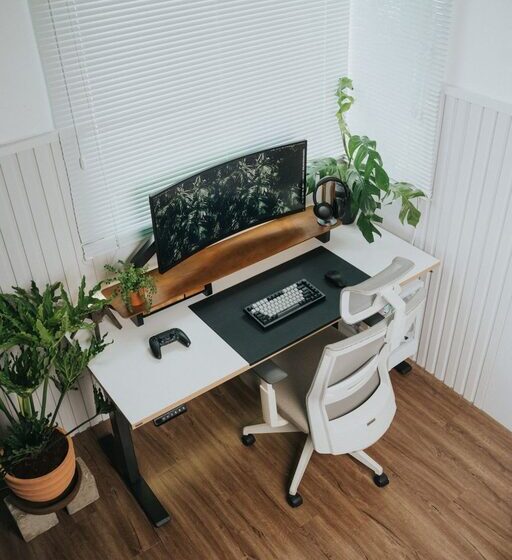

Creating a relaxing home office environment is essential for maintaining productivity and reducing stress while working from home. A well-designed space can help you stay focused, motivated, and comfortable throughout your workday. Whether you have a dedicated room or a small corner in your living space, there are easy and practical steps you can take to enhance your home office. Here are some helpful tips to create a calm, inviting workspace that supports your best work.
Choose the Right Location
The first step in setting up a relaxing home office is selecting the right spot. Ideally, your workspace should be in a quiet area with minimal distractions. If possible, avoid high-traffic zones like the kitchen or living room. Natural light is a major plus, as it boosts mood and energy. Near a window is great, but if natural light is limited, invest in good quality lighting that mimics daylight.
Tips for Choosing Your Workspace Location
– Look for a spot with enough room for your desk and chair
– Ensure easy access to power outlets
– Consider ambient noise level—use noise-canceling headphones or white noise if needed
– Keep your workspace separate from your relaxation areas to maintain work-life balance
Invest in Comfortable and Functional Furniture
Comfort is key when you spend hours at your desk. Invest in an ergonomic chair with good lumbar support to prevent back pain. Your desk should be the right height to keep your wrists and forearms aligned. Adjustable desks that allow you to sit or stand can also improve comfort and circulation.
Recommended Furniture Features
– Adjustable chair with cushioned seat and back support
– Desk height that fits your body size and workspace needs
– Footrest or cushion for added comfort if needed
– Sufficient workspace for your computer, documents, and accessories
Keep Your Space Organized and Clutter-Free
A cluttered workspace can overwhelm your mind and reduce your efficiency. Keep your desk clean and only keep necessary items within reach. Use organizers, shelves, and drawers to store supplies neatly. Regularly declutter your space to maintain a fresh and calming environment.
Organization Ideas
– Use drawer dividers or trays for small items like pens and paperclips
– Label files and folders for easy access
– Consider vertical storage to free up desk space
– Keep digital files organized to reduce stress
Personalize Your Workspace with Calming Elements
Adding personal touches can make your home office feel welcoming and inspire creativity. However, it’s important these items enhance relaxation rather than distract you.
Ideas for Soothing Decor
– Indoor plants: They improve air quality and add a touch of nature
– Soft colors: Choose calming hues like blues, greens, or neutral tones for walls and accessories
– Artwork: Select pieces that make you feel peaceful or motivated
– Aromatherapy: Use subtle scents like lavender or eucalyptus to create a tranquil atmosphere
– Comfortable textiles: A soft rug or cushions can make your space cozier
Manage Lighting and Screen Glare
Proper lighting reduces eye strain and headaches. Use a combination of natural light and adjustable artificial light sources. Position your computer monitor to minimize glare from windows or overhead lights.
Lighting Tips
– Choose a desk lamp with adjustable brightness and color temperature
– Avoid harsh fluorescent lights; opt for LED bulbs with warm light
– Use window blinds or shades to control sunlight
– Take regular breaks to rest your eyes from screen exposure
Establish a Routine and Break Space
Having a daily routine signals your brain that it’s time to work, improving focus. Including short breaks helps prevent burnout and refreshes your mind. Designate a separate area or chair for breaks when possible, so your brain separates work from rest.
Suggestions for Routine and Breaks
– Set consistent start and end work times
– Schedule short breaks every hour for stretching or a quick walk
– Use a timer or app to remind you to take breaks
– Practice mindfulness or deep breathing exercises during breaks
Minimize Noise and Distractions
Noise can be a major distraction when working at home. If external sounds bother you, consider soundproofing techniques or noise-masking solutions.
Reducing Noise
– Use noise-canceling headphones or earplugs
– Add rugs, curtains, or wall hangings to absorb sound
– Play calming background music or white noise
– Set boundaries with household members about your work hours
Keep Technology Efficient and Tidy
Reliable technology is essential for productivity. Keep cables organized to prevent tangles and visual clutter. Regularly update software and maintain your devices to avoid technical interruptions.
Tech Tips
– Use cable organizers or clips to keep cords neat
– Invest in a high-quality webcam and microphone for virtual meetings
– Back up important files regularly
– Ensure your internet connection is stable and fast
Final Thoughts
Creating a relaxing home office environment is about balancing comfort, organization, and personalization. By paying attention to location, furniture, lighting, and noise, you can build a workspace that supports productivity and well-being. Remember to take care of yourself by taking breaks and incorporating calming elements into your daily routine. With these tips, your home office can become a productive and peaceful part of your life.