
Creating a relaxing home environment doesn’t require a complete overhaul or expensive renovations. Small, thoughtful decor changes can significantly improve the ambiance of your living space, making it a peaceful retreat where you can unwind and recharge. In this post, we’ll explore practical tips that are easy to implement and suitable for any style or budget.
Why a Relaxing Home Environment Matters
Our home is where we spend a good portion of our time, and its atmosphere influences our mood, stress levels, and overall well-being. A calming environment can improve sleep, reduce anxiety, and foster a sense of comfort. By incorporating simple decor changes, you transform your home into a haven that supports relaxation and balance.
Start With Natural Elements
Bring in Greenery
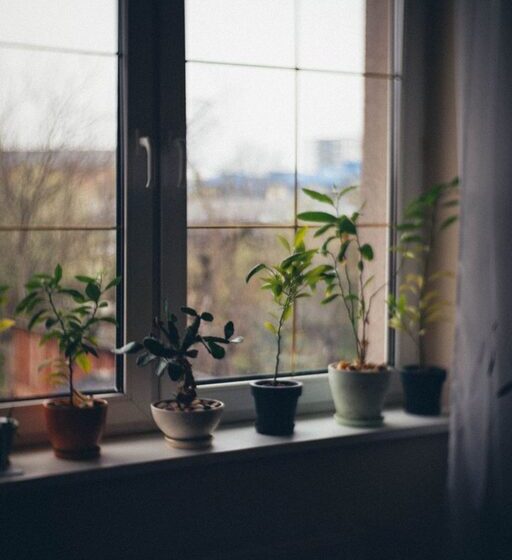
Adding plants to your home is one of the easiest ways to create a relaxing environment. Plants not only brighten up a room but also improve air quality and add a natural touch that promotes calmness.
– Choose low-maintenance plants like snake plants, pothos, or succulents if you’re new to gardening.
– Place plants near windows or in corners to soften sharp edges.
– Use decorative pots that complement your existing decor style.
Use Natural Materials
Incorporate natural materials such as wood, stone, cotton, and linen in your furniture and accessories. These textures add warmth and create a connection to nature, which is inherently soothing.
– Opt for wooden picture frames, side tables, or shelves.
– Use cotton or linen throw pillows and blankets.
– Choose woven baskets for storage to add texture and organization.
Light Matters: Create Soft and Warm Illumination
Lighting plays a key role in setting a relaxing mood. Harsh, bright lighting may feel stimulating or clinical, while softer illumination is comforting and inviting.
– Use warm-toned bulbs instead of cool white or daylight bulbs.
– Add table lamps and floor lamps to create layers of light.
– Incorporate dimmer switches so you can adjust brightness according to the time of day or mood.
– Consider string lights or candles for cozy, gentle lighting in the evening.
Keep It Clutter-Free and Organized
Clutter can contribute to stress and make a space feel chaotic. Keeping your home tidy supports relaxation by promoting a sense of order and calm.
– Use storage solutions like baskets, bins, and shelves to keep items organized.
– Declutter regularly, donating or discarding items you no longer need.
– Maintain designated spots for everyday items like keys, mail, or electronics.
Choose Soothing Color Palettes
Color influences how we feel in a space. Soft, neutral tones and cool colors tend to create an atmosphere of tranquility.
– Use light blues, soft greens, gentle grays, or creamy whites on walls or decor accents.
– Add pops of muted colors through cushions or rugs to keep the space visually interesting without overwhelming.
– Avoid overly bright or neon colors in main living areas intended for relaxation.
Add Soft Textiles for Comfort
Soft fabrics invite you to relax and add depth to your decor. They also help absorb sound, which can reduce noise and enhance the peacefulness of your home.
– Use plush throw blankets and pillows on sofas and chairs.
– Select area rugs that feel soft underfoot.
– Consider curtains made from natural fibers to filter light softly while adding texture.
Create Designated Relaxation Zones
Designate specific corners or rooms in your home as relaxation spots dedicated to rest or quiet activities.
– Set up a reading nook by a window with a comfortable chair, a small side table, and a good lamp.
– Use floor cushions or poufs for informal seating.
– Add a diffuser or small water fountain to encourage a sensory calming effect.
Personalize With Meaningful Items
Adding decor that makes you happy or reminds you of pleasant experiences contributes to a soothing atmosphere.
– Display family photos, artwork, or souvenirs that bring joy.
– Use items collected on trips or handmade crafts to add character.
– Keep the arrangement simple to avoid visual clutter.
Incorporate Gentle Aromas
Scent can deeply influence relaxation. Using subtle, natural aromas helps to create a calming environment.
– Use essential oils like lavender, chamomile, or eucalyptus in diffusers.
– Light soy or beeswax candles scented with calming fragrances.
– Avoid overpowering artificial scents that may cause discomfort.
Minimal Tech and Noise Control
Technology can be distracting or stressful in relaxation spaces, so be mindful of placement and usage.
– Keep TVs and computers out of bedrooms or chill zones if possible.
– Use noise-canceling curtains or carpets to absorb sound.
– Consider white noise machines or calming music apps to enhance tranquility.
—
By implementing these simple decor changes, you can create a home environment that supports relaxation and well-being. Start with one or two ideas that resonate with you and gradually build your personal oasis. Remember, the most relaxing space is one that feels personal and comfortable to you. Enjoy the process of making your home a true sanctuary!