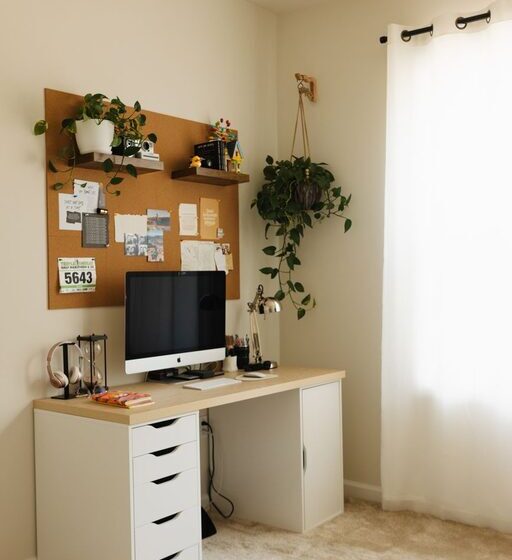

Setting up a home office that feels cozy while remaining highly functional can transform your daily work routine. Whether you work remotely full-time or just occasionally need a dedicated space, designing your office to suit your needs can improve focus, creativity, and comfort. This guide offers practical tips to help you create a home office space that balances warmth and efficiency.
1. Choose the Right Location
Selecting where your home office will be is the first step. Ideally, pick a spot with natural light and enough room for your essential furniture and equipment.
– Quiet Spots: Aim for a quieter area of your home to minimize distractions.
– Natural Light: Position your desk near a window to benefit from daylight, which can boost mood and energy.
– Space Availability: Ensure you have enough space to move comfortably without clutter.
2. Invest in Ergonomic Furniture
Comfort is key in any workspace to prevent fatigue and maintain good posture throughout the day.
– Ergonomic Chair: A supportive office chair with adjustable height and back support helps you avoid discomfort.
– Desk Height: Your desk should allow your arms to rest at a 90-degree angle when typing.
– Foot Support: Consider a footrest if your feet don’t comfortably reach the floor.
3. Optimize Lighting
Good lighting reduces eye strain and creates a welcoming atmosphere.
– Blend of Light Sources: Combine overhead lighting with task lighting—such as a desk lamp—to provide even, adjustable illumination.
– Warm Light: Choose bulbs with a warm color temperature (2700K–3000K) to create a cozy vibe.
– Screen Position: Adjust monitor brightness and avoid glare by positioning screens away from direct light.
4. Organize for Efficiency
Keeping your items organized helps maintain focus and productivity.
– Storage Solutions: Use shelves, filing cabinets, or desk organizers to store papers, office supplies, and gadgets.
– Declutter Regularly: Remove unnecessary items and keep your desk clear to reduce distractions.
– Cable Management: Use clips or cable boxes to keep cords tidy and prevent tangling.
5. Personalize Your Space
Adding personal touches creates a space that feels inviting and inspiring.
– Artwork and Decor: Hang artwork or photos that motivate you or make you happy.
– Plants: Indoor plants improve air quality and add a touch of nature.
– Textiles: Soft rugs, cozy blankets, or cushions can enhance comfort and style.
6. Incorporate Functional Technology
Choose the right technology tools to streamline your work without overwhelming your desk.
– Reliable Equipment: Invest in a quality computer, printer, and accessories suited to your work demands.
– Wireless Options: Wireless keyboards, mice, and headphones reduce cable clutter.
– Charging Stations: Use charging docks or stations to keep your devices powered and organized.
7. Maintain a Healthy Work Environment
A comfortable space supports not only your work but also your well-being.
– Ventilation: Ensure your office has fresh airflow; open windows when possible.
– Break Area: If space allows, create a small area to take breaks, stretch, or relax briefly.
– Temperature Control: Use fans or heaters to maintain a comfortable temperature throughout the day.
8. Establish Boundaries
To separate work life and home life, clear boundaries are important.
– Dedicated Workspace: Keep your home office distinct from other living areas.
– Work Hours: Define work hours to maintain balance and avoid burnout.
– Signal Boundaries: Use visual cues to let family members know when you’re working.
—
Final Thoughts
Creating a cozy and functional home office doesn’t require a large budget or complicated design skills. By focusing on comfort, organization, personalization, and thoughtful technology, you can create a space that supports your productivity and well-being. Take your time to adjust and adapt your office as your needs evolve, ensuring it remains a space where you enjoy spending time and doing your best work.