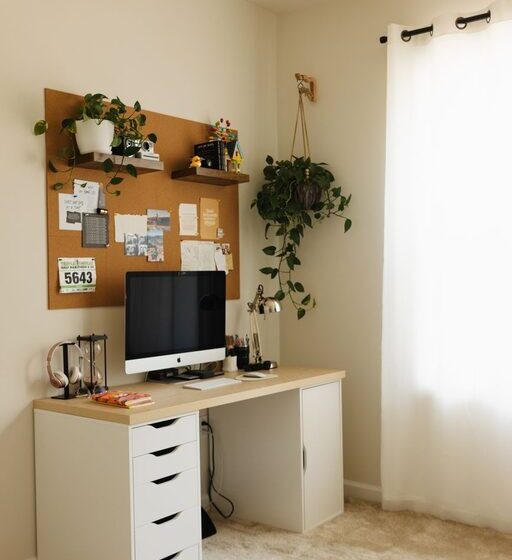

Creating a relaxing home office environment is essential for anyone working from home. When your workspace feels calm and inviting, it’s easier to stay focused and productive. If your current setup feels chaotic or uncomfortable, don’t worry — small changes can make a big difference. In this post, we’ll explore practical tips to transform your home office into a relaxing and efficient space.
Why a Relaxing Home Office Matters
Working from home has many benefits, but it also comes with challenges like distractions and stress. A well-designed home office helps you separate work from personal life and creates a zone where you can focus without feeling overwhelmed. By paying attention to comfort, organization, lighting, and decor, you can create a space that supports both your mental well-being and productivity.
Choose the Right Location
Start by selecting the best spot in your home for your office. Ideally, this should be a quiet area with minimal foot traffic and distractions. If possible, choose a separate room dedicated to work rather than a shared space like the kitchen table. This helps signal to your brain when it’s time to work and when it’s time to relax.
Tips for Location Selection:
– Select a spot near natural light but avoid glare on screens.
– Consider background noise levels; use noise-cancelling headphones if needed.
– Keep the area away from noisy appliances or family activity zones.
Invest in Comfortable Furniture
Comfort plays a key role in creating a relaxing workspace. An ergonomic chair with good back support and an adjustable desk can prevent aches and improve posture. Avoid working from the couch or bed, as this can lead to discomfort and distractions.
Key Furniture Considerations:
– Invest in an ergonomic office chair.
– Use a desk at the right height to keep your wrists and arms comfortable.
– Add a footrest or cushion for extra support.
– If space allows, consider a standing desk or adjustable workstation.
Optimize Lighting
Lighting can impact your mood and energy levels throughout the day. Natural light is the best choice, as it reduces eye strain and makes you feel more alert. Complement natural light with soft, warm lamps to create a cozy atmosphere during darker hours.
Lighting Tips:
– Position your desk near a window to take advantage of daylight.
– Use adjustable task lighting for focused work.
– Avoid harsh overhead lights; opt for softer bulbs or diffusers.
– Consider smart bulbs that adjust brightness and color to the time of day.
Declutter and Organize
A cluttered workspace can increase stress and make it harder to concentrate. Keep your office tidy and organized by limiting what’s on your desk and using storage solutions like shelves, drawers, and boxes.
Decluttering Ideas:
– Keep only essential items on your desk.
– Use filing systems or digital tools to manage paperwork.
– Regularly clean and organize to prevent clutter buildup.
– Personalize your space with a few meaningful items, but avoid overcrowding.
Add Calming Elements
Incorporating elements that reduce stress can make your office feel like a sanctuary. Think about adding plants, artwork, or soothing colors that help you relax.
Calming Decor Ideas:
– Place small indoor plants to improve air quality and bring nature inside.
– Use soft, neutral wall colors like light blues, greens, or grays.
– Hang artwork or photos that inspire and calm you.
– Include a diffuser with essential oils or scented candles for subtle aromatherapy.
Minimize Noise and Distractions
Noise can be a major distraction when working from home. Find ways to reduce noise or mask it with pleasant sounds to create a peaceful environment.
Noise Management Tips:
– Use rugs or heavy curtains to absorb sound.
– Invest in noise-cancelling headphones or earbuds for focused work.
– Play background music or white noise to cover disruptive sounds.
– Communicate your working hours to family or roommates.
Set Boundaries and Routines
A relaxing home office isn’t just about physical space—it’s also about mindset. Establish clear boundaries between work and personal time to prevent burnout and maintain balance.
Routine and Boundary Tips:
– Set regular working hours and stick to them.
– Take scheduled breaks to stretch or move around.
– Use signals like closing the door or putting on headphones to indicate work mode.
– End your day by tidying your desk to mentally “close” work.
Incorporate Technology Wisely
Using technology efficiently can enhance your comfort and productivity without causing frustration.
Tech Tips:
– Invest in a reliable internet connection and quality equipment.
– Keep cables organized to prevent a tangled mess.
– Use apps or tools that promote focus, such as website blockers or task managers.
– Regularly update software and hardware to avoid technical issues.
Final Thoughts
Creating a relaxing home office environment requires thoughtful planning but is well worth the effort. From choosing the right location to adding calming decor and maintaining organization, every detail contributes to a workspace where you can work comfortably and with less stress. Start by implementing a few of these tips and adjust your setup as you discover what works best for you.
Remember, your home office should be a place where you feel calm, focused, and motivated. With a little attention and care, you can design a space that supports your professional goals while nurturing your well-being.